
THE FINISHING HUB

SPECIAL EFFECTS SOLUTIONS

High-quality finishing process that adds strength, durability and a professional finish to your products
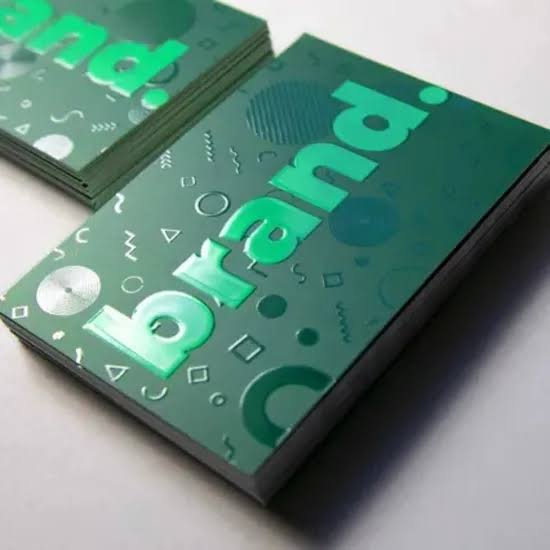
RAISED SPOT UV

Raised Spot UV varnishing (also called 3D Spot UV, High-Build Spot UV, or Raised UV Coating) is a premium print-finishing technique in which a clear UV-cured varnish is applied to selected areas of a printed piece at a greater thickness than standard Spot UV, creating a noticeable raised texture that can be both seen and felt.

An example would be a business card with a matte-laminated background may feature a Raised Spot UV logo and company name. The logo appears glossy and elevated, allowing recipients to both see and feel the design when they run their fingers across the card.
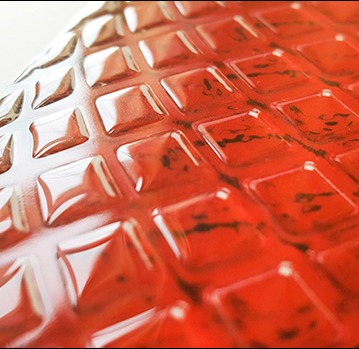
GLOSS EMBOSS

Gloss Embossing is a print-finishing technique that creates a raised, three-dimensional effect on selected areas of a printed piece using digital technology rather than traditional metal embossing dies. The raised areas can be seen and felt, adding texture, depth, and a premium appearance to printed materials.

A example would be a luxury business card may feature a digitally embossed company logo on a matte background. The logo is raised above the surface, creating a sophisticated look and a distinctive feel when touched.
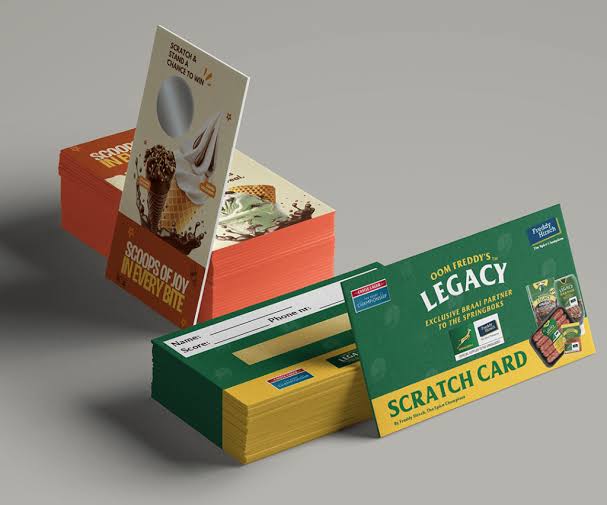
SCRATCH OFF

Latex Scratch-Off is a specialty print-finishing technique in which a removable latex coating is applied over printed information, allowing the underlying content to remain hidden until the coating is scratched away with a coin, fingernail, or similar object.

An example would be a promotional card may contain a hidden discount code covered by a silver latex scratch-off panel. The customer scratches away the coating to reveal the code and redeem the offer.
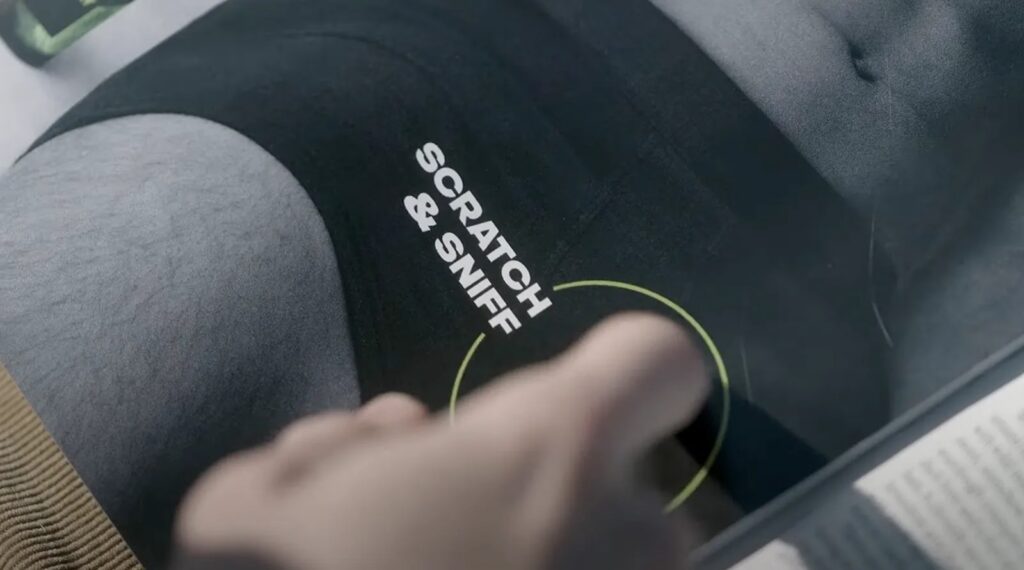
SCRATCH & SNIFF

Scratch and Sniff is a specialty print-finishing technique in which fragrance-containing microcapsules are applied to a printed surface. When the coated area is scratched, the microcapsules break open and release a scent, creating an interactive sensory experience.

An example would be a perfume advertisement in a magazine may include a designated area labeled “Scratch Here.” When scratched, the coating releases a fragrance similar to the perfume being advertised.
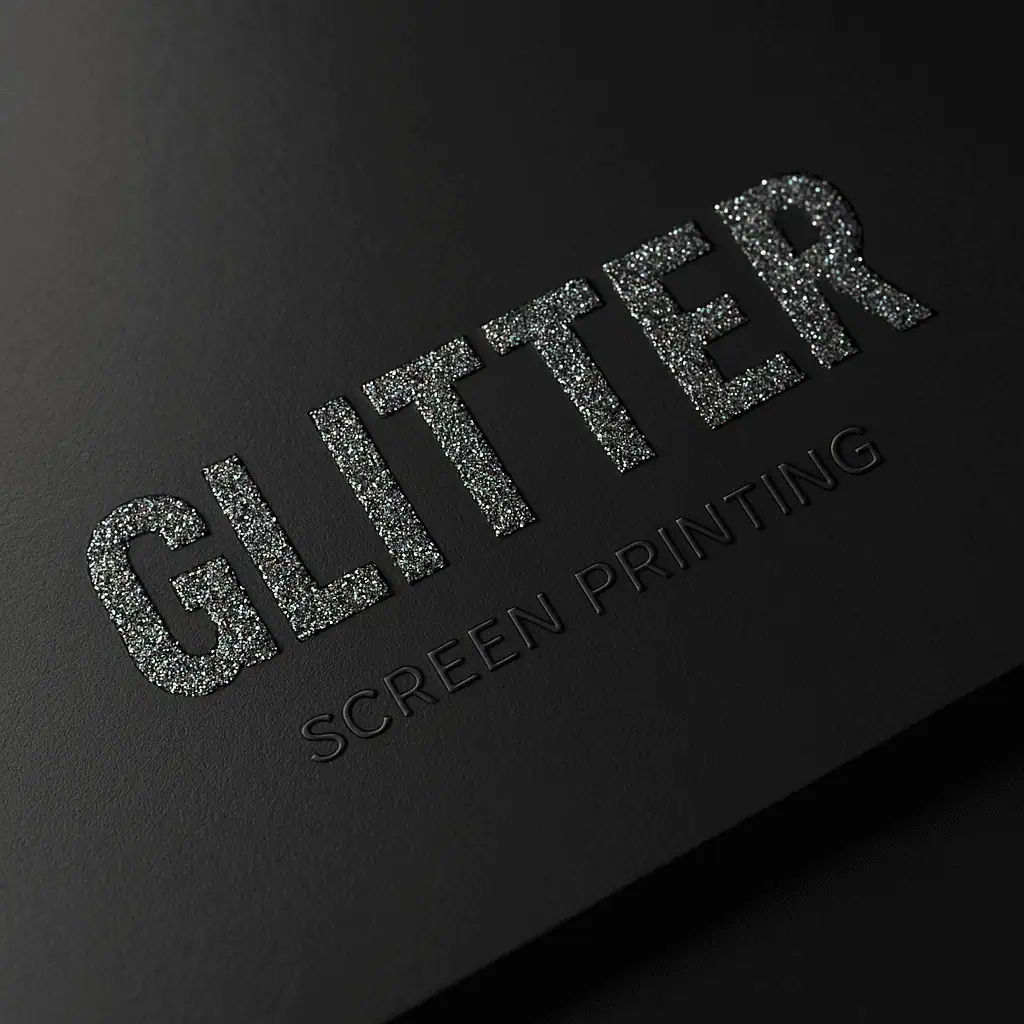
GLITTER VARNISH

Spot Glitter Varnish is a specialty print-finishing technique in which a glitter-infused varnish is applied only to selected areas of a printed piece. The coating contains reflective glitter particles that create a sparkling effect, drawing attention to specific design elements while leaving the rest of the surface unchanged.

An example would be a wedding invitation may feature Spot Glitter Varnish on decorative floral patterns and the couple’s names, creating a subtle sparkle while the rest of the invitation remains matte or uncoated.
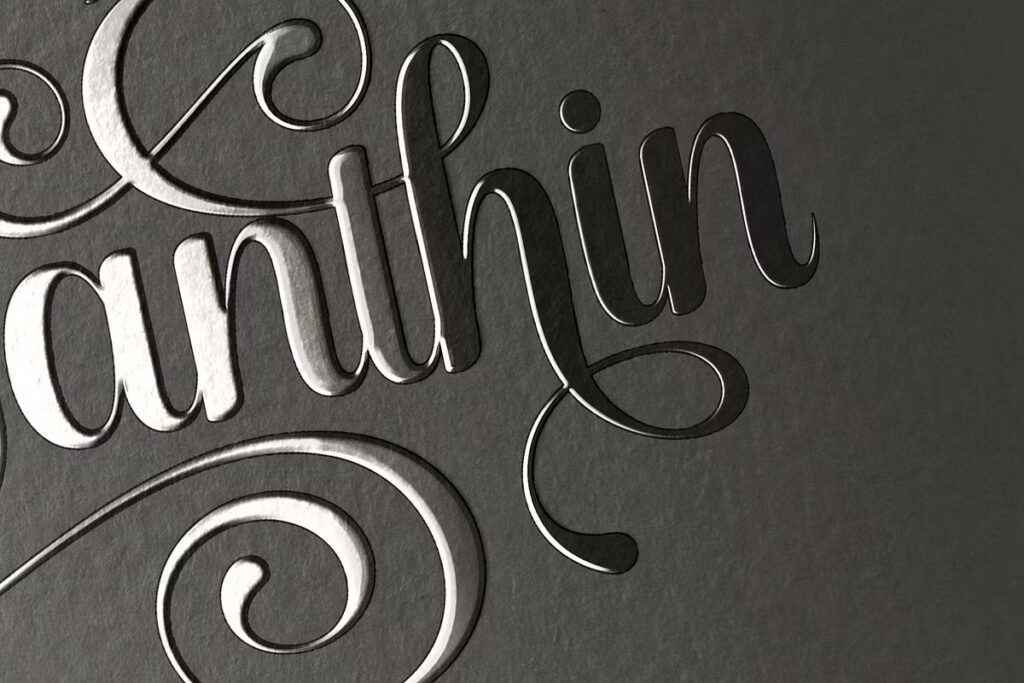
TINTED VARNISH

Tinted Spot UV Varnish is a specialty print-finishing technique in which a transparent or translucent UV-cured varnish containing a color tint is applied to selected areas of a printed piece. Unlike standard Spot UV, which is typically clear, tinted Spot UV adds both color and surface enhancement to specific design elements.

An example would be a cosmetic packaging box may have a matte black background with a transparent red-tinted Spot UV varnish applied to the logo. The logo appears glossy and subtly red while retaining visibility of the underlying print.
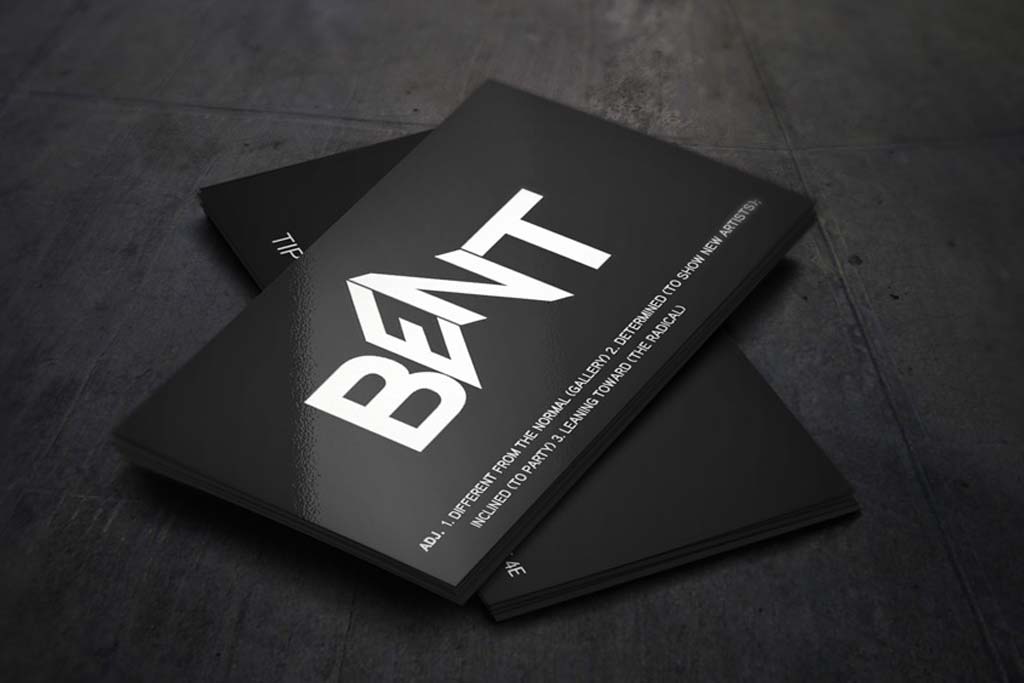
SPOT WHITE

White Silkscreen Varnish in print finishing is a technique where an opaque white ink or varnish is applied using a silkscreen (screen-printing) process onto selected areas of a printed surface. It is used to create solid white effects, highlights, or coverage on materials where standard printing may not achieve full opacity or contrast.

A premium black packaging box may feature a white silkscreen varnish logo, producing a sharp, high-contrast design that stands out clearly against the dark background.

Select the fields to be shown. Others will be hidden. Drag and drop to rearrange the order.
  • Image
  • SKU
  • Rating
  • Price
  • Stock
  • Availability
  • Add to cart
  • Description
  • Content
  • Weight
  • Dimensions
  • Additional information
Click outside to hide the comparison bar
Compare

RAISED SPOT UV INFORMATION

  1. The piece is printed and often laminated first (commonly with a matte or soft-touch laminate).
  2. A digital or screen-printing process applies a thick layer of clear UV varnish only to designated areas.
  3. UV light instantly cures the varnish.
  4. The coated areas become elevated above the surface, creating a three-dimensional effect.
  • Draw attention to specific design elements.
  • Add tactile interest and a luxury feel.
  • Create a three-dimensional visual effect.
  • Enhance branding and perceived product value.
  • Premium business cards
  • Luxury packaging
  • Book and magazine covers
  • Invitations
  • Product labels
  • Marketing brochures
  • Presentation folders
  • Creates a distinctive tactile experience.
  • Provides strong visual emphasis.
  • Enhances the perceived quality and luxury of printed materials.
  • Can simulate embossing effects without altering the paper structure.

GLOSS EMBOSS INFORMATION

  1. The artwork is prepared with a digital layer indicating the areas to be embossed.
  2. A specialized digital finishing machine applies multiple layers of clear polymer or UV varnish to the designated areas.
  3. The material is cured (usually with UV light) to build up height and create a raised effect.
  4. The result is a tactile, three-dimensional surface without physically deforming the paper.
  • Highlight logos, text, patterns, and images.
  • Add tactile appeal and visual depth.
  • Create luxury and premium print products.
  • Personalize embossed effects on short-run and variable-data jobs.
  • Business cards
  • Luxury packaging
  • Book covers
  • Brochures
  • Invitations and greeting cards
  • Labels and product packaging
  • Marketing materials
  • No metal dies or embossing plates required.
  • Cost-effective for short runs and personalized printing.
  • Faster setup and production times.
  • Can produce varying heights and detailed textures.
  • Easily combined with digital printing workflows.

SCRATCH OFF INFORMATION

  1. Variable or fixed information (such as a code, prize, PIN, or message) is printed on the substrate.
  2. A protective release layer may be applied over the information.
  3. An opaque latex coating is printed on top of the protected area.
  4. The coating conceals the information until it is physically scratched off.
  • Conceal sensitive or promotional information.
  • Create interactive printed products.
  • Protect codes and numbers from unauthorized viewing.
  • Add a game-like or reveal experience for users.
  • Lottery tickets
  • Gift cards
  • Prepaid phone cards
  • Promotional coupons
  • Contest and sweepstakes cards
  • Security and authentication codes
  • Event tickets with hidden information
  • Educational and fundraising games
  • Securely hides information until use.
  • Creates customer engagement through an interactive reveal.
  • Compatible with variable data printing.
  • Cost-effective for large and small production runs.
  • Available in various colors, with silver being the most common.
  • The coating is opaque enough to prevent the concealed information from being read through the surface.
  • It is designed to be easily removed by scratching.
  • The underlying printed information remains intact after the latex layer is removed.
  • Can be applied in precise shapes and sizes to cover only selected areas.

SCRATCH & SNIFF​ INFORMATION

  1. A scented coating containing microscopic fragrance capsules is applied to selected areas of the printed piece.
  2. The coating dries and remains stable during normal handling.
  3. When the user scratches the coated area, the microcapsules rupture.
  4. The released fragrance becomes detectable by smell.
  • Engage readers through an interactive sensory experience.
  • Promote products, fragrances, foods, and beverages.
  • Increase attention and memorability of printed materials.
  • Enhance marketing and educational campaigns.
  • Magazine advertisements
  • Product packaging
  • Direct mail campaigns
  • Catalogs
  • Children’s books
  • Educational materials
  • Promotional cards and brochures
  • Fragrance and cosmetic samples
  • Creates a memorable multi-sensory experience.
  • Increases consumer engagement and interaction.
  • Allows product fragrances to be sampled without opening packaging.
  • Differentiates marketing materials from standard printed pieces.
  • Perfume and cologne scents
  • Fruit aromas (e.g., strawberry, orange, apple)
  • Food and beverage aromas (e.g., coffee, chocolate, vanilla)
  • Floral scents
  • Seasonal fragrances (e.g., pine, cinnamon)

GLITTER VARNISH​ INFORMATION

  1. The printed artwork is prepared with a separate mask or coating file indicating the areas to receive the glitter varnish.
  2. A varnish containing fine glitter particles is applied only to those designated areas.
  3. The coating is dried or UV-cured, depending on the production process.
  4. The glitter particles reflect light, producing a shimmering, eye-catching effect.
  • Highlight logos, text, illustrations, or decorative elements.
  • Create visual contrast between glittered and non-glittered areas.
  • Add a festive, luxurious, or playful appearance.
  • Increase the impact and memorability of printed materials.
  • Greeting cards
  • Invitations
  • Holiday and seasonal promotions
  • Cosmetic and beauty packaging
  • Gift packaging
  • Children’s products
  • Product labels
  • Marketing and promotional materials
  • Draws attention to specific design elements.
  • Creates a premium and decorative finish.
  • Uses glitter selectively, avoiding excessive sparkle.
  • Enhances shelf appeal and visual impact.
  • Can be combined with other finishes such as lamination, foil stamping, or UV coatings.

TINTED VARNISH​ INFORMATION

  1. The piece is printed normally.
  2. A separate coating file identifies the areas that will receive the tinted UV varnish.
  3. A UV varnish mixed with transparent pigments or dyes is applied only to those selected areas.
  4. UV light instantly cures the coating, creating a durable colored finish with the desired gloss, satin, or matte appearance.
  • Highlight specific design elements with both color and texture.
  • Create unique visual effects that cannot be achieved with clear Spot UV alone.
  • Enhance branding by incorporating brand colors into the finish.
  • Add depth, contrast, and decorative appeal.
  • Luxury packaging
  • Product labels
  • Book and magazine covers
  • Business cards
  • Invitations
  • Marketing brochures
  • Cosmetic and premium retail packaging
  • Combines selective coating with color enhancement.
  • Creates distinctive visual effects and premium aesthetics.
  • Allows designers to emphasize specific areas without using opaque inks.
  • Can be combined with other finishes such as foil stamping, embossing, or soft-touch lamination.

SPOT WHITE INFORMATION

  1. A screen (mesh stencil) is prepared with the design for the white areas.
  2. White ink or white varnish is pushed through the screen onto the substrate using a squeegee.
  3. The coating is cured or dried, depending on the ink type (UV or solvent-based).
  4. The result is a durable, solid white layer on specific areas of the print.
  • Create strong opaque white graphics on dark or transparent materials.
  • Add highlight layers beneath or over printed designs.
  • Improve visibility of designs on colored or metallic substrates.
  • Serve as a base layer for additional printing or special effects.
  • Packaging (especially on kraft, black, or metallic stocks)
  • Labels and product branding
  • Glass and plastic printing
  • Luxury print materials
  • Promotional items
  • Backing layer for transparent substrates (e.g., acrylic, film, or PET)
  • Provides high opacity and excellent contrast.
  • Works well on dark, textured, or non-absorbent surfaces.
  • Adds durability and thickness to printed areas.
  • Enhances premium and luxury visual appeal.
  • Can be layered with other finishes like Spot UV or foil stamping.